
When to Seek a Roof Replacement Over Repairs
Understanding roofing services and when to opt for a complete roof replacement instead of frequent repairs is critical for the safety and longevity of your home. Knowing when a repair is sufficient and when a replacement is necessary can save time, effort, and resources in the long run.
1. Assessing Roof Age and Material
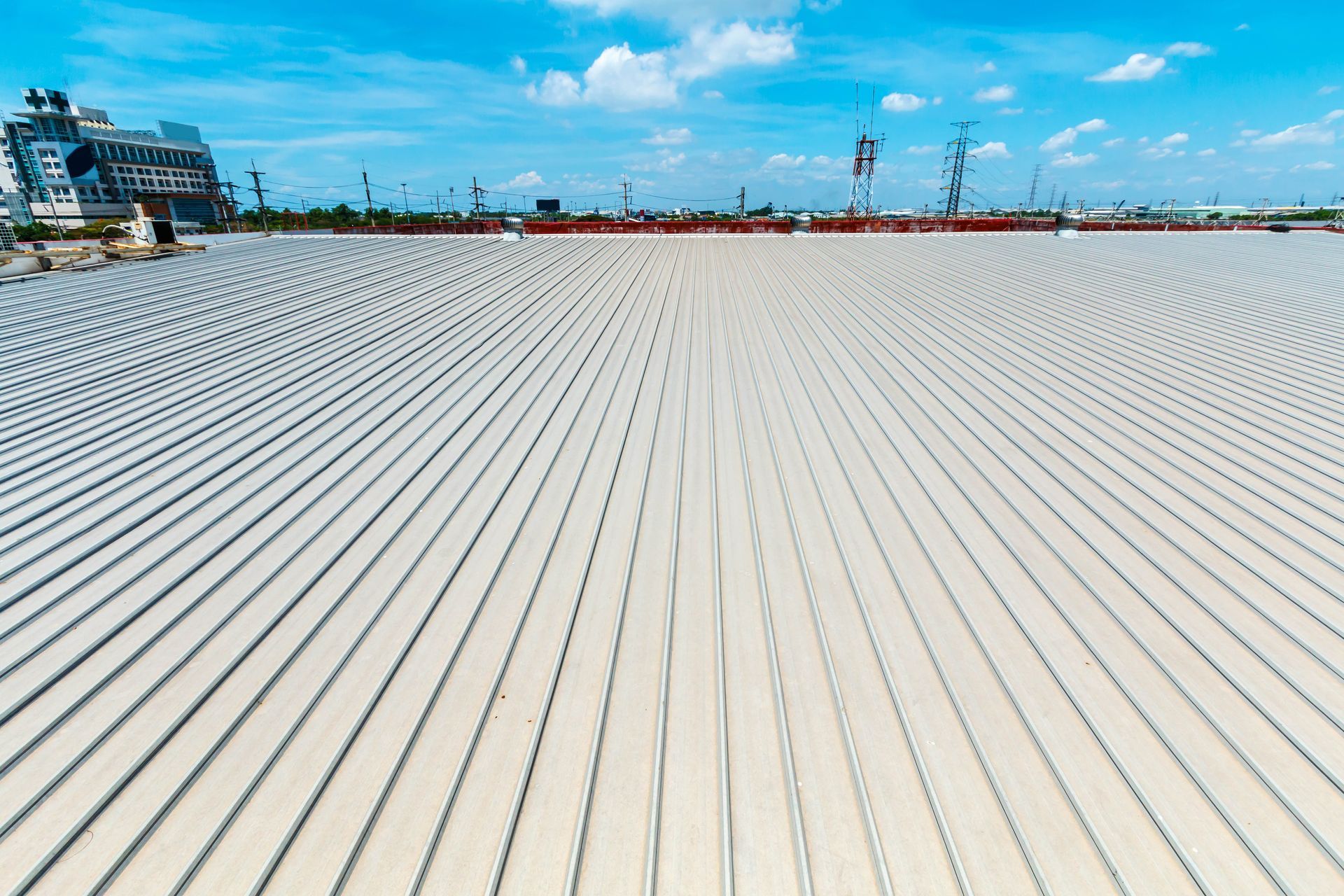
Different roofing services have varying lifespans, affecting when a replacement is necessary. In our experience, asphalt shingles, the most common residential roofing material, typically last 20 to 30 years. In contrast, metal roofs are known to endure for 40 to 70 years, providing a more long-term solution. Tile roofs, such as those made from clay or concrete, often boast a lifespan exceeding 50 years. Understanding these average lifespans can guide homeowners on when to anticipate a roof replacement.
The lifespan of roofing materials is not only determined by their composition but also by the quality of installation. Professional installation can significantly impact the overall durability and lifespan of the roof. For example, poorly installed metal roofs may develop issues sooner than expected, necessitating premature replacement. It is crucial to maintain high installation standards to ensure the maximum possible lifespan for any roofing material. From DIY enthusiasts to hiring professional roofers, ensuring proper installation is a crucial first step.
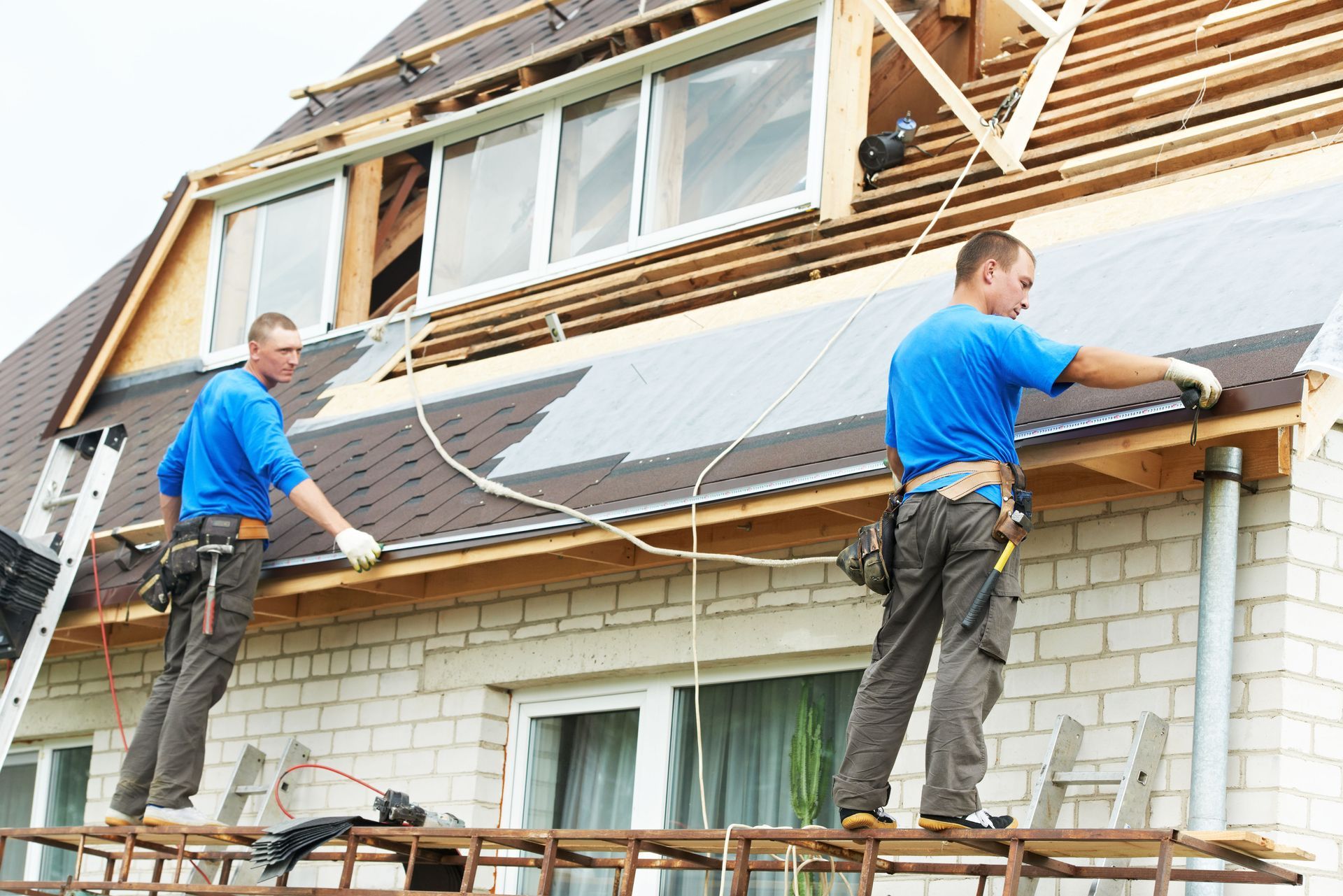
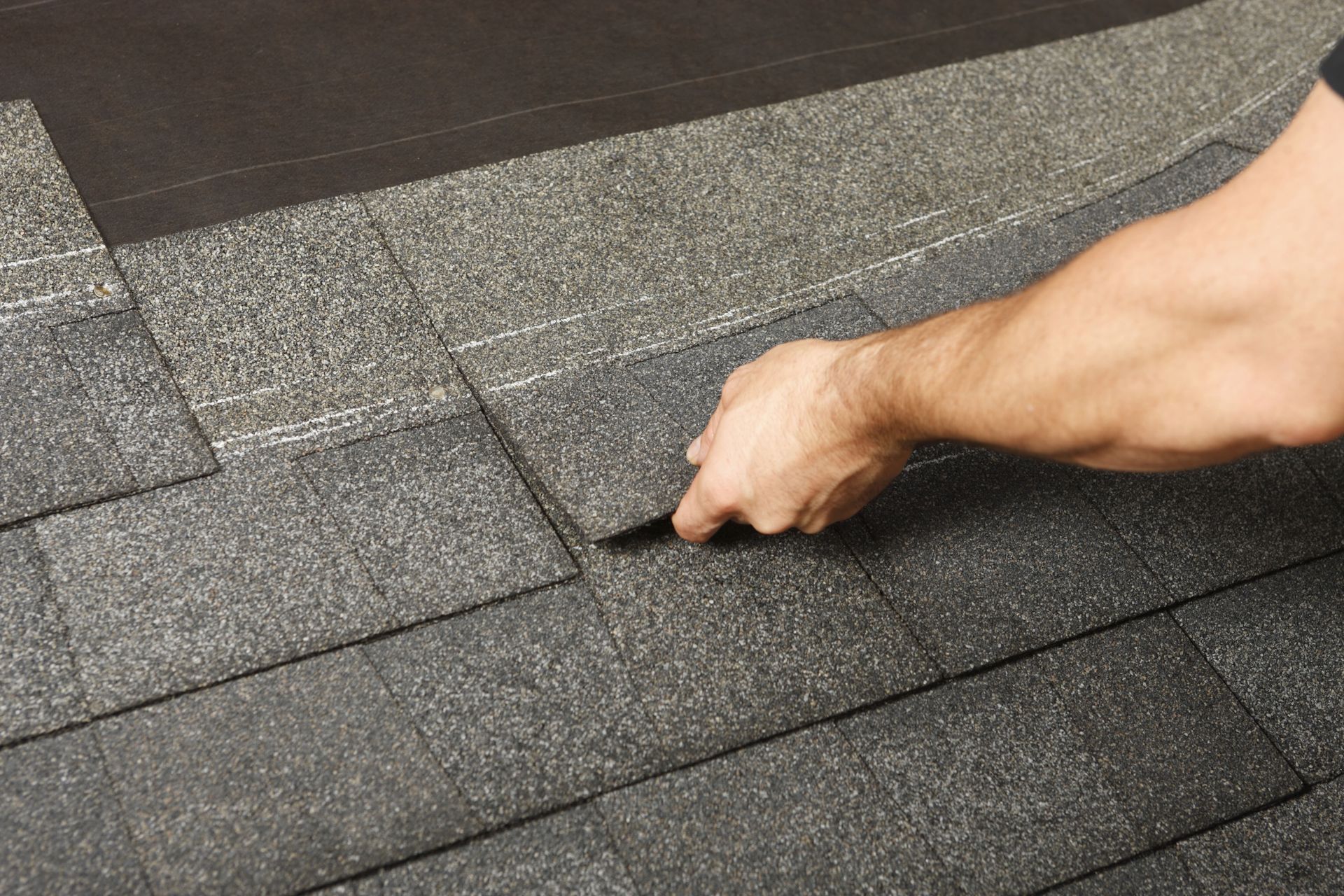
Aging roofs exhibit several telltale signs that repairs may no longer suffice. For asphalt shingles, curling or cracking might indicate that the material has reached the end of its lifespan. Metal roofs may show signs of deterioration, such as rust or loose fasteners, that compromise their integrity. Furthermore, tile roofs may suffer from fading or breakage over time due to constant exposure to the elements. Prompt identification of these telling signs is essential for planning a roof replacement.
Homeowners should routinely inspect their roofs to catch early signs of aging when thinking about roofing services. This involves visually inspecting the roof surface and checking for discrepancies like uneven spots or dislodged materials. Curling shingles or persistent rust on a metal roof can escalate if not promptly addressed. Regular maintenance and inspection can prevent minor issues from evolving into significant problems that warrant a complete roof replacement. It is better to allocate resources to early detection rather than costly replacements.
The longevity of a roof is often impacted by various environmental factors, such as weather, climate, and geographical location. Roofs in regions with severe weather patterns, like heavy snowfall or frequent hailstorms, are subjected to added stress and may deteriorate faster. Additionally, constant exposure to strong UV rays in tropical or subtropical climates can hasten the aging process for many roofing materials. According to RubyHome, over 30% of homeowners replace roofs to fix leaks, often exacerbated by such environmental conditions.
2. Extent and Type of Damage
Damage assessment is key to deciding between repairs and full replacement. Isolated damage, such as a single missing shingle or a small patch of rust on a metal roof, might be manageable through repairs. However, widespread damage signals more serious underlying deteriorations necessitating a broader intervention. Large-scale issues like pervasive moss growth or widespread leaks suggest the need for replacement. Understanding the scope of the damage can prevent unnecessary expenditure on repairs when replacement is due.
Regular inspections can help detect the extent of damage before it worsens. Homeowners should check both the interior and exterior of the roof for signs of widespread damage, like a leaking ceiling or broken tiles throughout. Evaluating the overall structural integrity can reveal hidden vulnerabilities. It is crucial to resolve minor concerns as soon as they appear to prolong the roof's life. Knowing when isolated damage transitions to widespread decay is vital in planning future interventions.
Structural integrity plays a crucial role in deciding whether a roof should be repaired or replaced. Compromised structures mean that the roof's ability to support itself is weakened, leading to potential collapse if ignored. Deterioration in the roof's underlying framework typically signals a more pressing need for replacement over merely cosmetic fixes. Structural issues can stem from poor installation or excessive wear over time. Professionals with specialized knowledge should always evaluate the extent of structural damage.
Preventing further structural damage is of utmost importance. Homeowners should address any indications of sagging, bending, or cracking promptly, as they pose significant safety hazards that need roofing services. Once structural damage becomes evident, it is often costly to restore and may necessitate replacing not just the roof, but parts of supporting structures like walls or beams. Insurance claims and safety compliance reviews may also require thorough documentation of structural conditions. Ultimately, prioritizing structural integrity helps protect the occupants and the property itself.
A comprehensive cost-benefit analysis can provide clarity between repeated repairs and opting for a new roof. Although upfront replacement costs may be higher, frequent repairs accumulate substantial expenses over time. This not only weighs on the homeowner's finances but also consumes time and effort. Replacement yields benefits like corrective structural enhancements, improved aesthetics, and a comprehensive warranty for long-term peace of mind. Weighing initial investments versus projected maintenance can shape a financially sound decision.
3. Energy Efficiency Considerations
As roofs age, their capacity to maintain energy efficiency often declines. Worn insulation or damaged roofing materials can lead to air leaks and reduced temperature regulation within the home. This increases the reliance on heating and cooling systems, thereby inflating energy bills. Consequently, an old or damaged roof should be examined for its impact on energy efficiency, as the cost of cooling and heating a home with a failing roof can escalate dramatically. Energy-conscious homeowners should consider these aspects when deliberating between repair and replacement.
Poor energy efficiency impacts environmental footprints but also strains household budgets due to increased utility expenses, needing roofing services. Advanced energy leaks stemming from inadequate roofs rise over time, compounding energy efficiency challenges. It becomes necessary to conduct audits or insulation improvements when efficiency diminishes. Acknowledging efficiency declines can prompt homeowners to consider investments that not only manage bills but also contribute to a greener lifestyle. These initial expenditures frequently translate into significant cost reductions over time.
Advancements in roofing technologies offer significant improvements in energy efficiency. Materials such as cool roofs are designed to reflect more sunlight and maintain lower roof temperatures. This translates to reduced energy needed for cooling, an attractive feature in warmer climates. Solar roof tiles and panels not only enhance energy efficiency but can also generate power, providing household energy supplementation. Investing in modern roofing technology can reduce energy consumption while offering environmental benefits.
Modern technologies provide multi-functional benefits beyond energy efficiency alone. Incorporating cool roofing materials or solar shingles creates synergy, resulting in balanced Thermal comfort year-round. Innovative systems can seamlessly integrate into smart home setups for optimized power management. Selecting a roofing upgrade with advanced technology enhances property value, an enticing feature for market-focused homeowners.
Energy Star-rated products are a perfect choice for homeowners seeking improved energy efficiency. These materials undergo rigorous assessments to ensure they meet predefined energy efficiency standards. Roofing products featuring this certification can significantly lower utility costs and enhance heating and cooling effectiveness. By selecting Energy Star-rated materials, homeowners contribute to both personal savings and broader environmental initiatives. Strategic selection can integrate energy-efficient solutions into a home's roofing services.
By evaluating your roof’s lifespan, the extent of deterioration, and its impact on comfort and energy efficiency, you can make a proactive choice that protects your home, improves comfort, and avoids escalating costs over time. Contact Bold Roofing Inc to learn more about their roofing services!

Share On: