

5 Smart Ways to Prepare for a Roofing Installation
Roofing installation is a significant project for homeowners, often accompanied by a mix of anticipation and anxiety. Proper preparation not only ensures a smooth installation process but also contributes to a successful outcome. In this article, we will explore six smart ways to effectively prepare for your roofing installation, ensuring minimal disruptions and optimal results.
1. Research and Choose the Right Roofing Material
Selecting the appropriate roofing material is a foundational step that can significantly impact the longevity and performance of your roof. To make an informed decision, it's essential to assess your home's climate and environment. For instance, homes in areas prone to heavy rainfall might benefit from metal roofing due to its excellent water resistance. On the other hand, in regions with high sun exposure, solar reflective shingles could help improve energy efficiency. By understanding the distinct needs of your environment, you ensure a material that offers the best protection.
Beyond climate considerations, longevity and durability are key factors. Roofing materials like slate tiles can last up to a century, while asphalt shingles, though more economical, might have a shorter lifespan of 20-30 years. It's crucial to weigh these aspects against your long-term plans for your property. Additionally, aesthetic appeal should not be overlooked, as the roofing material will play a prominent role in your home's overall look. Visualizing how different materials complement your home's architecture can guide your decision effectively.
Lastly, budget constraints often dictate the final choice of materials. While it might be tempting to select the cheapest option available, the long-term costs of frequent repairs or replacements can outweigh initial savings. Be sure to explore energy efficiency options, which can offer savings on utility bills in the long run. Combining all these considerations will help you choose a roofing material that aligns with both practical and personal requirements. According to This Old House, the average U.S. roofing business has at least three employees, meaning you likely have a team of professionals to consult for expert advice.
2. Hire a Qualified Roofing Contractor
Hiring the right roofing contractor is paramount to the successful execution of your project. The first step in this process is to verify their credentials and licensing. Ensuring that the contractor holds the necessary certifications and state licenses can prevent legal troubles down the line. In addition, seek contractors who carry adequate insurance, which provides protection from on-site accidents or property damage. This verification offers peace of mind, knowing your project is legally protected.
Next, it's beneficial to seek recommendations from friends, family, or neighbors who have undergone similar projects. Reading reviews online can also provide insights into the experiences of other homeowners. Pay particular attention to feedback concerning the contractor's professionalism, punctuality, and adherence to the timeline and budget. Getting quotes from multiple contractors will also enable you to compare costs and services, ensuring you receive the best value for your investment.
Understanding the contractor's warranty offer is crucial as it delineates the scope and duration of coverage for any potential future issues. Clarify any ambiguities before signing the contract to ensure you have realistic expectations. Establishing clear communication from the outset is vital, as it contributes to a transparent and efficient workflow. Documenting all commitments, timelines, and responsibilities aids in preventing misunderstandings and ensures a smooth collaboration throughout the roofing project.
3. Schedule a Pre-Installation Inspection
Conducting a pre-installation inspection is an essential preparatory step for a successful roofing installation. This inspection allows a detailed assessment of the current roof structure and identifies any damage or issues that need addressing before new materials are installed. Repairing existing problems such as leaks, rotting wood, or structural weaknesses can prevent complications down the line. Moreover, an expert evaluation can provide a clearer understanding of the roof's condition and prepare you for any unexpected surprises.
During the inspection, it's important to identify potential obstacles and challenges unique to your project. Factors such as the presence of overhanging trees, nearby power lines, or complex roof designs can pose installation hurdles. Anticipating these aspects beforehand ensures that the necessary tools, equipment, and planning are in place to address them effectively. Proactive problem-solving enhances safety and efficiency during the actual installation process.
The inspection is also a prime opportunity to discuss any accessories or add-ons you wish to include, such as skylights or ridge vents. These additions require precise planning and integration into the overall roofing system. Additionally, consider your home's ventilation and insulation needs as part of the roofing decision. Confirming a realistic project timeline with your contractor based on the inspection findings is vital, ensuring that milestones are met and the project flows seamlessly. With the average U.S. roofing business having at least three employees, as mentioned by This Old House, there's a team ready to conduct thorough inspections and address these pre-installation needs proficiently.
4. Prepare Your Property for Installation Day
Properly preparing your property ahead of the installation day can greatly facilitate a smoother workflow for the contractors. This preparation involves clearing the work area of debris, furniture, outdoor equipment, and any vehicles in the driveway. Contractors need unfettered access to their workspace, and removing barriers ahead of time will improve the efficiency and speed of their work. Additionally, covering items in your attic with plastic sheeting can protect them from potential dust and debris that might penetrate during installation.
Ensuring easy access for contractors not only includes clearing pathways but also involves coordinating with your roofing contractor to arrange parking for materials delivery and workers' vehicles. Moreover, informing your neighbors about the upcoming activity helps mitigate any concerns about noise and logistical disruptions. Building a positive rapport with neighbors by communicating installation days and expected noise levels can prevent complaints and foster understanding.
Considering the impact on family members, especially pets and children, is another critical aspect of preparation. The noise and activity can be overwhelming for young children and pets, so arranging for their temporary stay with friends, family, or in a safe area of the house away from the installation zone is advisable. Planning for potential noise and minor inconveniences in advance minimizes the disruption to your daily routine. By preparing your property comprehensively, you lay the groundwork for a more efficient and less stressful roofing installation process.
5. Understand the Installation Process
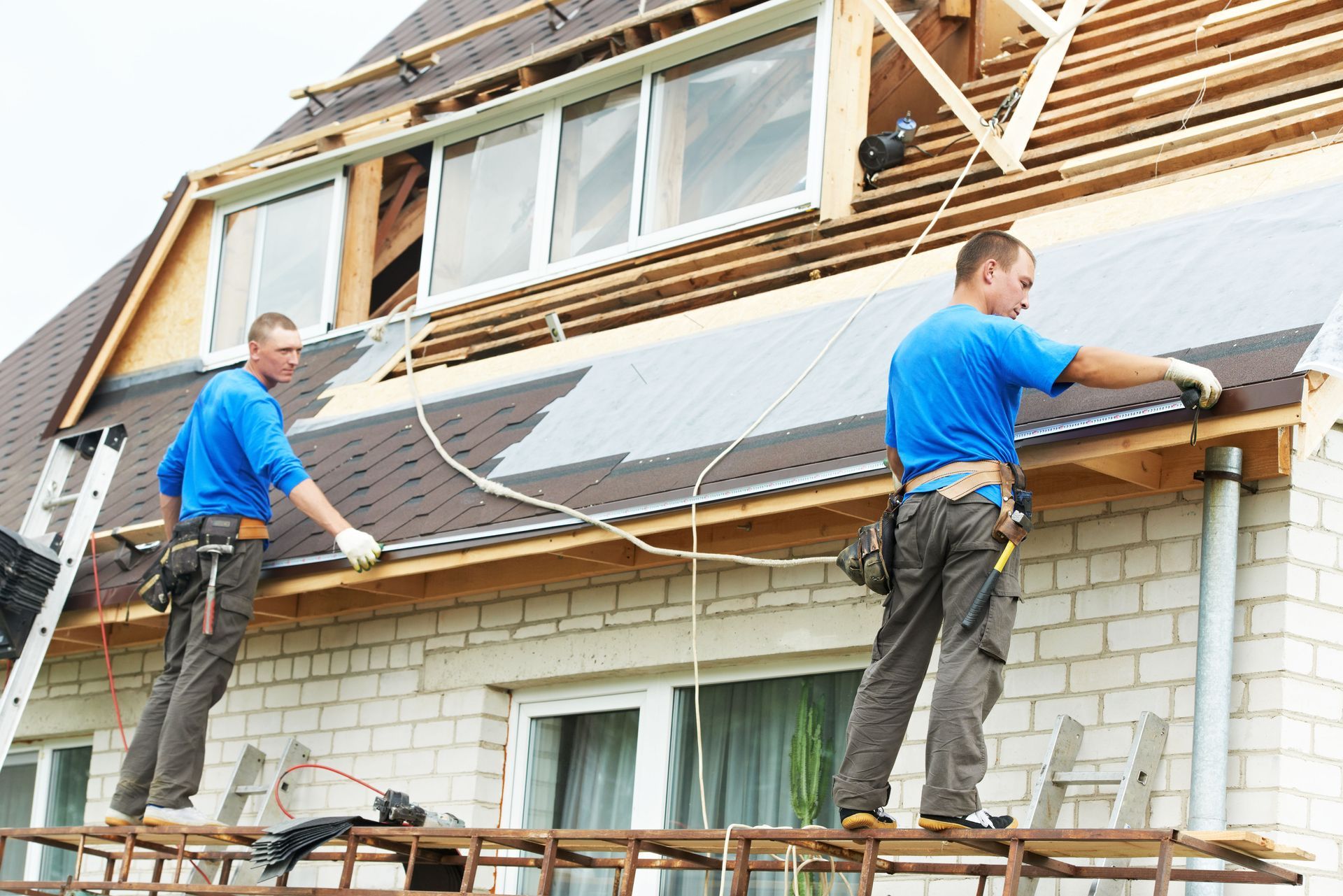
Gaining an understanding of the installation process helps in managing expectations and ensures you are well-prepared for each step of the roof's construction. Typically, the installation involves removing the old roofing material, inspecting the deck, and replacing any damaged areas, followed by the installation of underlayment and the new roofing material. Being familiar with this sequence aids in comprehending the duration and scale of work involved. Knowing the typical steps allows you to anticipate what part of the process contractors are working on at a given time.
Weather considerations also play a pivotal role in the installation schedule. Inclement weather can cause delays or require temporary measures to protect your home during unexpected conditions. Effective contractors account for weather forecasts and plan accordingly to ensure the new roof is installed under optimal conditions. Understanding these contingencies helps you remain patient and adaptable to scheduling changes, knowing they are in place to protect your investment.
Proper preparation for a roofing installation is crucial to ensure a smooth, efficient, and successful roofing project. By following the outlined strategies, homeowners can navigate the complexities of roofing installations with increased confidence and peace of mind. This preparation not only secures the roof's integrity but also enhances the home's overall protection and value for years to come. Be sure to reach out to Bold Roofing Inc today for more information on our professional roofing contractors!



Share On: