
Clearing Up 6 Common Misconceptions About Metal Roofing
For a long time, the standard image of a residential home involved asphalt shingles, neat rows of slate, or perhaps heavy clay tiles. Metal roofing, by contrast, was often relegated to the realm of industrial warehouses, rural barns, or ultra-modern architectural experiments. However, as homeowners increasingly prioritize sustainability and long-term value, metal is moving into the mainstream. Despite its growing popularity, a cloud of myths continues to hang over the material, causing many to hesitate before making the switch.
Choosing the right material for your home is one of the most significant financial decisions you will face as a homeowner. It is a choice that dictates your home's energy efficiency, its curb appeal, and its ability to withstand the elements for a lifetime. To make an informed choice, you need to separate architectural fact from neighborhood fiction. By consulting with a professional roof contractor, you can begin to see why metal is no longer just for the farm — it is a sophisticated, high-performance solution for the modern residence.
1. Debunking the Noise Myth
One of the most persistent rumors regarding metal roofs is that they are deafeningly loud during rainstorms or hailstorms. People imagine sitting inside a giant tin can while a drummer performs overhead. This misconception stems from memories of old outbuildings or sheds where the metal panels were fastened directly to open framing without any insulation or solid decking.
In a modern residential application, this is simply not the case. When professional roof contractors install a metal system, they apply it over a solid substrate — usually plywood or oriented strand board (OSB) — and a high-quality underlayment. This structure, combined with the attic space and the home's insulation, creates a massive sound barrier. In many cases, a metal roof is actually quieter than an asphalt shingle roof because the materials are more rigid and better at dampening the vibration of impact.
2. Assessing the Lightning Risk
Many homeowners fear that a metal roof acts as a giant lightning rod, literally "pulling" strikes out of the sky and toward their family. While it is true that metal is a conductive material, physics tells a different story regarding the likelihood of a strike. Lightning is attracted to the highest point in a given area, regardless of what that point is made of. A tall tree or a chimney is more likely to be hit than a flat metal roof.
Furthermore, if a house were to be struck, metal is actually one of the safest materials to have overhead. Unlike wood shingles or asphalt, metal is non-combustible. It is a Class A fire-rated material, meaning it will not catch fire or spread flames. A roof contractor will ensure the system is properly grounded, providing a safe path for electrical energy to dissipate into the earth. Rather than increasing risk, metal provides a layer of fire protection that traditional materials simply cannot match.
3. Analyzing the Denting Potential
There is a common belief that a single hailstorm will leave a metal roof looking like the surface of the moon. While extreme weather can damage any material, modern metal roofing is engineered for incredible resilience. Most residential systems utilize heavy-gauge steel, which is significantly thicker and stronger than the aluminum used in soda cans or siding.
Many metal roofing products are rated for high impact resistance, which is the top rating available. This means they can withstand the impact of large hailstones without rupturing or losing structural integrity. Even if a massive storm causes minor cosmetic dimpling, the roof remains watertight — unlike asphalt shingles, which lose their protective granules during hail, leading to immediate leaks and UV degradation. When you hire an experienced roof contractor, they can recommend specific textures or pebbled finishes that hide minor imperfections, ensuring your home looks pristine.
4. Evaluating the Temperature Impact
A frequent concern is that a metal roof will turn a home into an oven during the summer months. Because metal feels hot to the touch when sitting in the sun, people assume that heat is being transferred directly into the living space. In reality, metal roofing is one of the most energy-efficient options available today.
This is due to cool roof technology. Metal has high solar reflectance, meaning it reflects a large percentage of the sun’s energy back into the atmosphere rather than absorbing it. Additionally, metal has high thermal emittance, allowing it to cool down quickly once the sun sets. While asphalt shingles act like a thermal sponge — trapping heat and radiating it into the attic long after dark — metal stays cool. Homeowners often report a reduction in cooling costs after a professional roof contractor replaces their old shingles with a reflective metal system.
5. Considering the Longevity Value
The initial price tag of metal is often higher than that of asphalt, leading some to believe it isn't worth the investment. However, looking at the cost over the entire lifespan of the home paints a very different picture. Most asphalt roofs require replacement multiple times, especially in climates with high heat or heavy storms. This means a homeowner might pay for several roofs in the same time span that a single metal roof remains standing.
The durability of these systems is backed by impressive data. According to This Old House, metal roofing can last an average of 40 to 70 years. This longevity makes it a permanent investment for most homeowners. When you factor in the lack of maintenance, the energy savings, and the potential increase in home resale value, the return on investment is undeniable. A qualified roof contractor can provide a life-cycle cost analysis to show how metal actually saves you money over the long haul.
6. Reviewing the Aesthetic Options
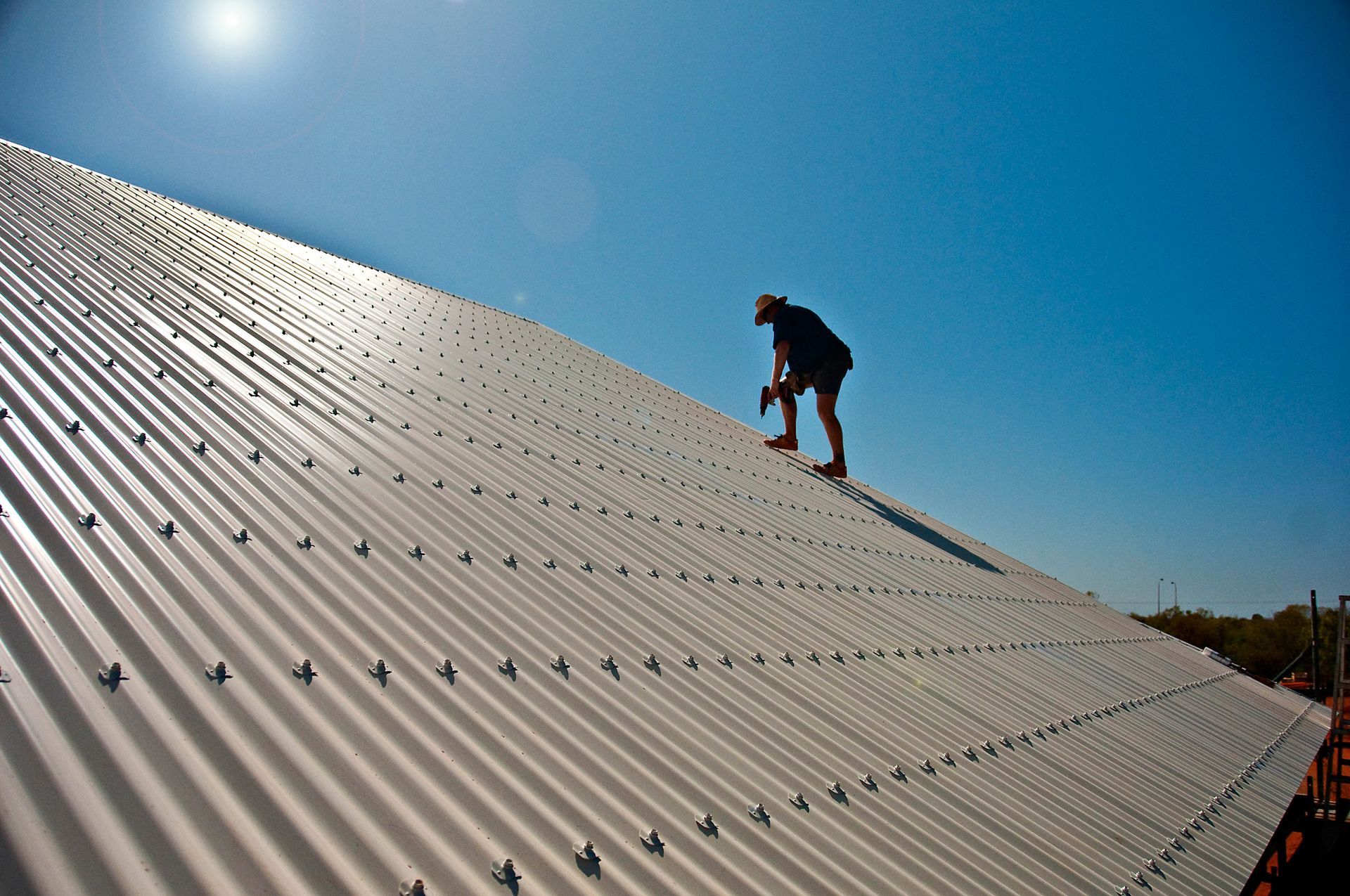
Finally, many people shy away from metal because they believe it will make their house look like a warehouse or a commercial building. This myth is based on outdated corrugated styles that were popular in the past. Today, the aesthetic versatility of metal is staggering.
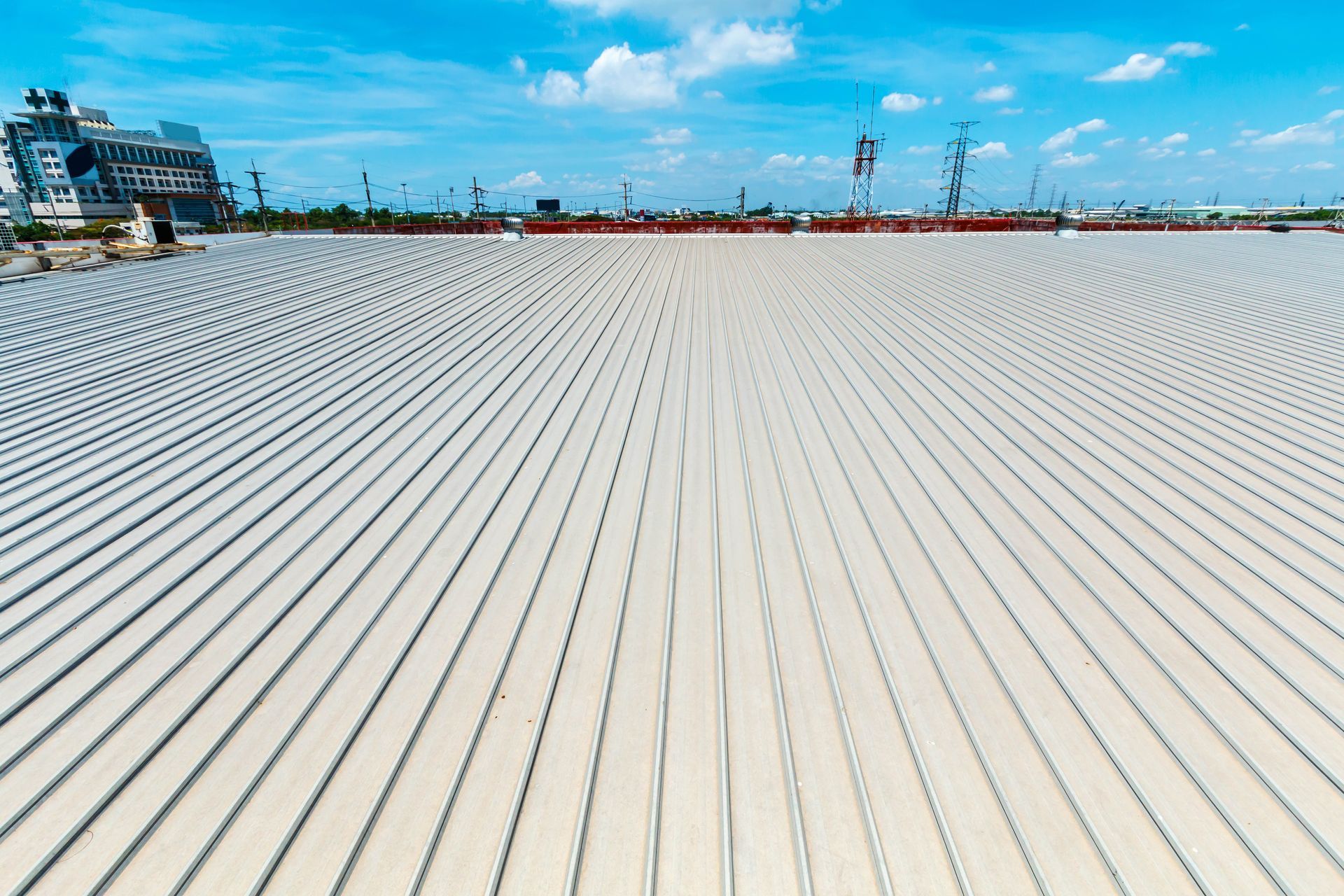
Modern metal roofing can be manufactured to mimic the look of traditional materials while retaining all the benefits of steel or aluminum. You can find metal shingle systems that look like wood shakes, tile profiles that resemble Mediterranean clay, or slate styles that provide a classic, upscale appearance. For those who prefer the modern look, standing seam panels offer clean, vertical lines that complement contemporary architecture beautifully. Whatever the style of your neighborhood, a skilled
roof contractor can find a metal profile that enhances your home’s character rather than detracting from it.
Choosing a roof is about more than just picking a color; it is about protecting your most valuable asset. The myths surrounding metal roofing — that it is loud, dangerous, or ugly — are largely remnants of a bygone era. Today's metal systems are high-tech, incredibly durable, and aesthetically diverse. They offer a rare combination of environmental sustainability and mechanical toughness that traditional petroleum-based shingles simply cannot provide.
By dispelling these misconceptions, it becomes clear that metal is a premier choice for any homeowner looking for peace of mind. Whether you are worried about rising energy bills, frequent storm repairs, or the environmental impact of replacing your roof frequently, metal provides a definitive solution. The key to a successful installation lies in the hands of the professionals you choose to lead the project.
Are you ready to upgrade to a roof that lasts a lifetime? Contact Bold Roofing Inc today to schedule a consultation. Our team of expert roofing contractors is ready to help you select the perfect system to protect your home.

Share On: